Tell Us About Your Project
Share your product, quantity and project requirements. We will review the details and respond with the relevant next steps.

Chinese herb processing at the Pingliang facility covers incoming material review, cleaning, cutting, applicable processing, drying, quality control and batch release.
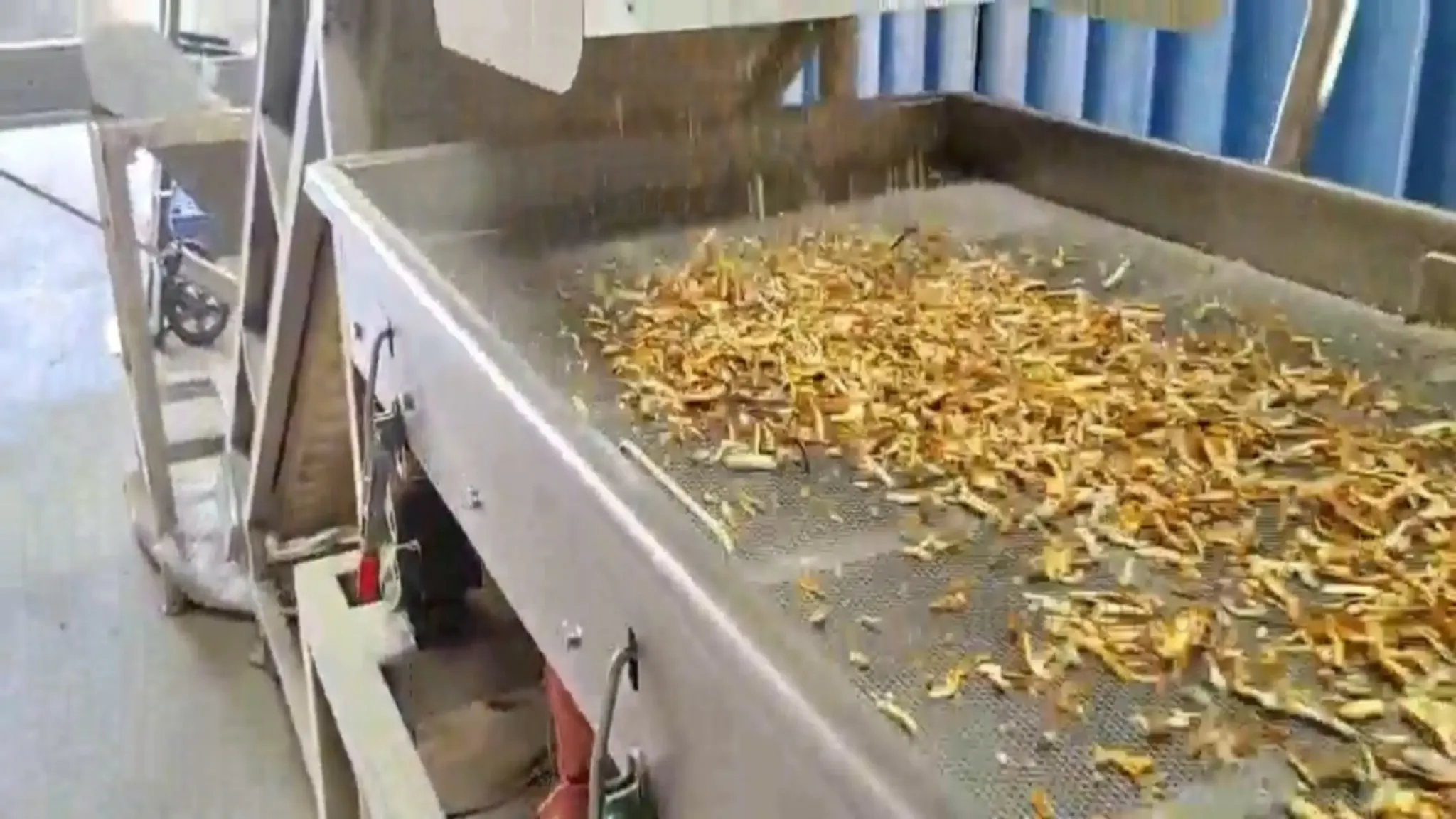
The processing route depends on the herb, required finished form and confirmed buyer specification. Raw materials may go through cleaning, cutting, applicable processing, drying, sorting and quality review before the finished batch is packed and released.
Cut style, dimensions, processing method and other buyer-controlled requirements should be confirmed before production.
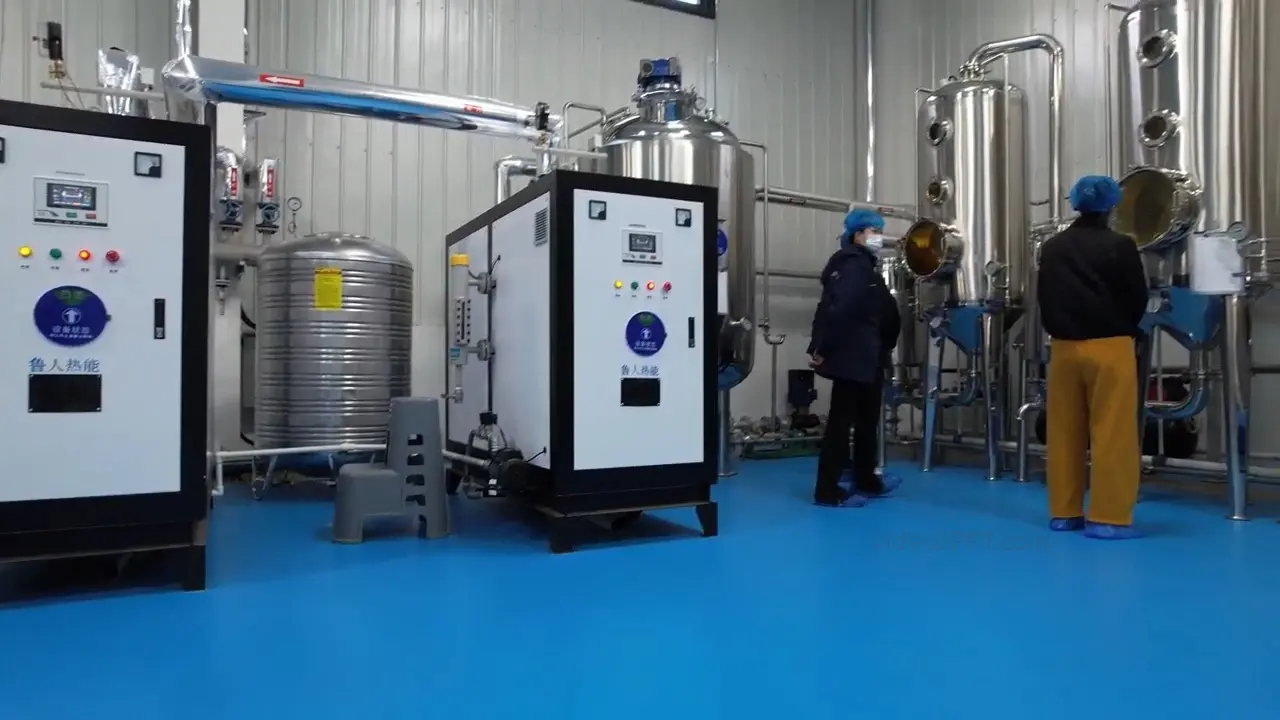
The exact processing route varies by herb and finished specification, but the standard workflow follows these stages.
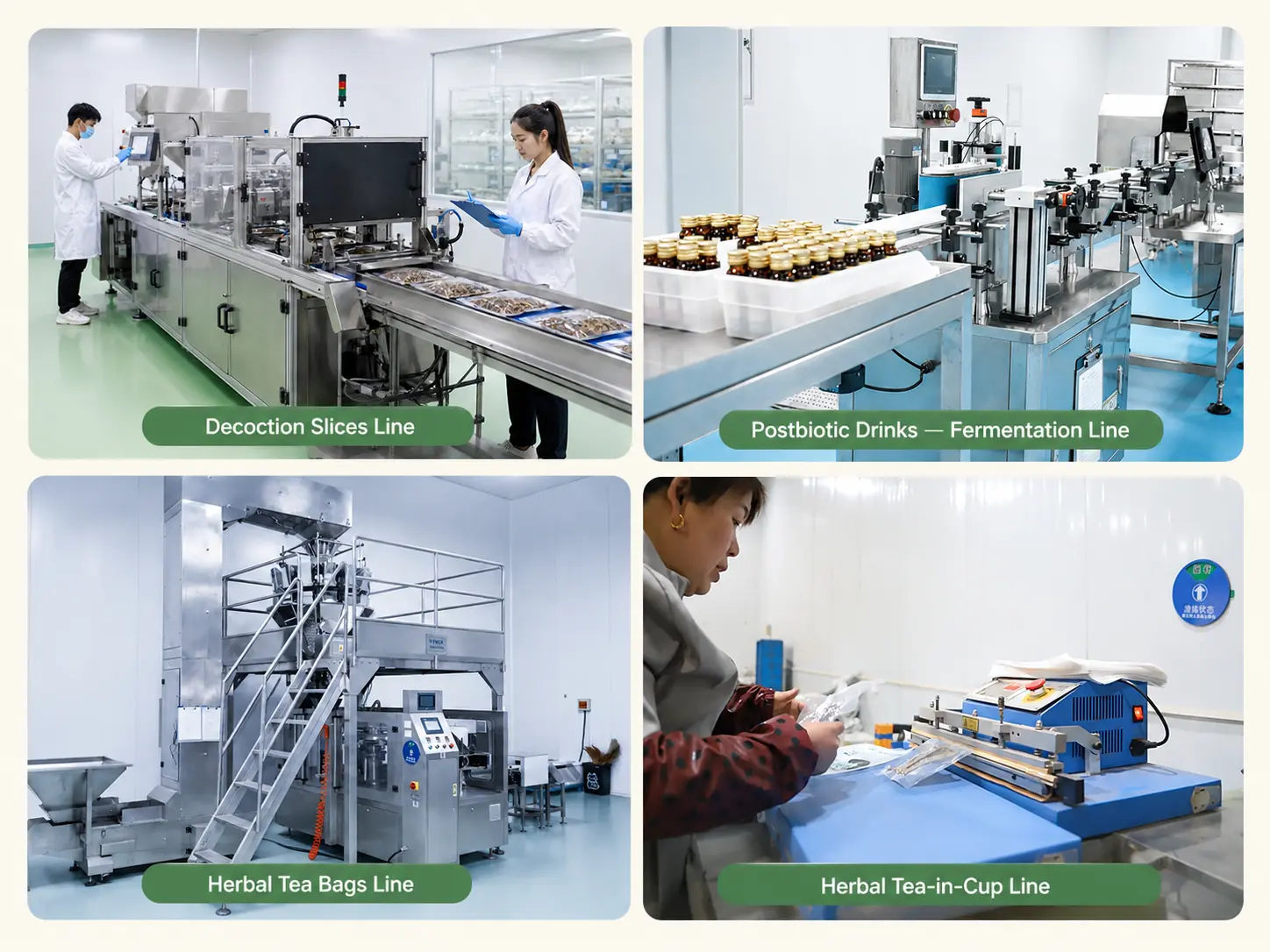
The facility supports Chinese herbal slices together with herbal tea bags, tea-in-cup products and postbiotic drink formats. Available processing, filling and packaging options are confirmed according to the selected product and project scope.
Available production scope is confirmed according to the selected product and project requirements.
Before processing begins, the finished product requirements should be confirmed in writing. Depending on the product, this may include:
These details define the finished commercial product and reduce sample-to-production differences.
Yes. The facility supports Chinese herbal slices, herbal tea bags, tea-in-cup products and postbiotic drink formats. Available product, packaging and order requirements are confirmed by project.
Cut style and dimensions are confirmed according to the herb and buyer specification. For custom-cut products, provide the required form, thickness, diameter or length where applicable. A sample or reference specification can be used where physical appearance is important.
Sulfur-free requirements can be confirmed for applicable herbal-slice orders. Where sulfur dioxide testing is required, the applicable test scope and acceptance requirement should be confirmed before production.
Yes. Where processing is part of the required product specification, identify the raw or processed status, processing method, finished form and any applicable auxiliary-material requirements before production.
Send us the herb name, required form, processing method, cut specification, quantity, destination market and required testing or documentation. We will review the applicable processing scope before quotation.