Tell Us About Your Project
Share your product, quantity and project requirements. We will review the details and respond with the relevant next steps.

The Chinese herbs testing laboratory at the Pingliang production facility supports batch quality control, analytical review and production documentation. Every production batch is issued with a batch-specific COA and undergoes pesticide-residue and heavy-metal testing. Additional testing requirements are confirmed according to the product and buyer specification.
A facility-based laboratory allows production and quality-control teams to coordinate sampling, analytical review and batch records with the manufacturing process. See the broader factory manufacturing capability for the production context supporting this laboratory. For buyers, the important point is that the testing scope, batch COA and any additional reporting requirements are confirmed against the actual product and order. Pharmaceutical and Kampo buyers can review our Chinese herbs for pharmaceutical companies supply scope for batch documentation, testing and specification requirements.
Standard production-batch quality control includes pesticide-residue and heavy-metal testing together with a batch-specific COA. Other analytical parameters are confirmed according to the product, specification and buyer requirements. For a field-by-field walkthrough of pesticide and heavy metal reports, see how to read Chinese herb test reports. Facility licences and management-system certificates are listed under certifications.
Every production batch undergoes pesticide-residue testing as part of the standard batch quality-control process.
Every production batch undergoes heavy-metal testing as part of the standard batch quality-control process.
A Certificate of Analysis is issued for every production batch and records the applicable batch information and test results.
Other product-, specification- or market-specific analytical requirements can be reviewed separately according to the confirmed testing scope.
The laboratory was upgraded in July 2020 with a total investment of more than RMB 9 million. Company records confirm five imported testing instruments, including a Shimadzu high-performance liquid chromatography (HPLC) system, together with more than 20 other equipment units. The laboratory is supported by 12 professional inspectors.
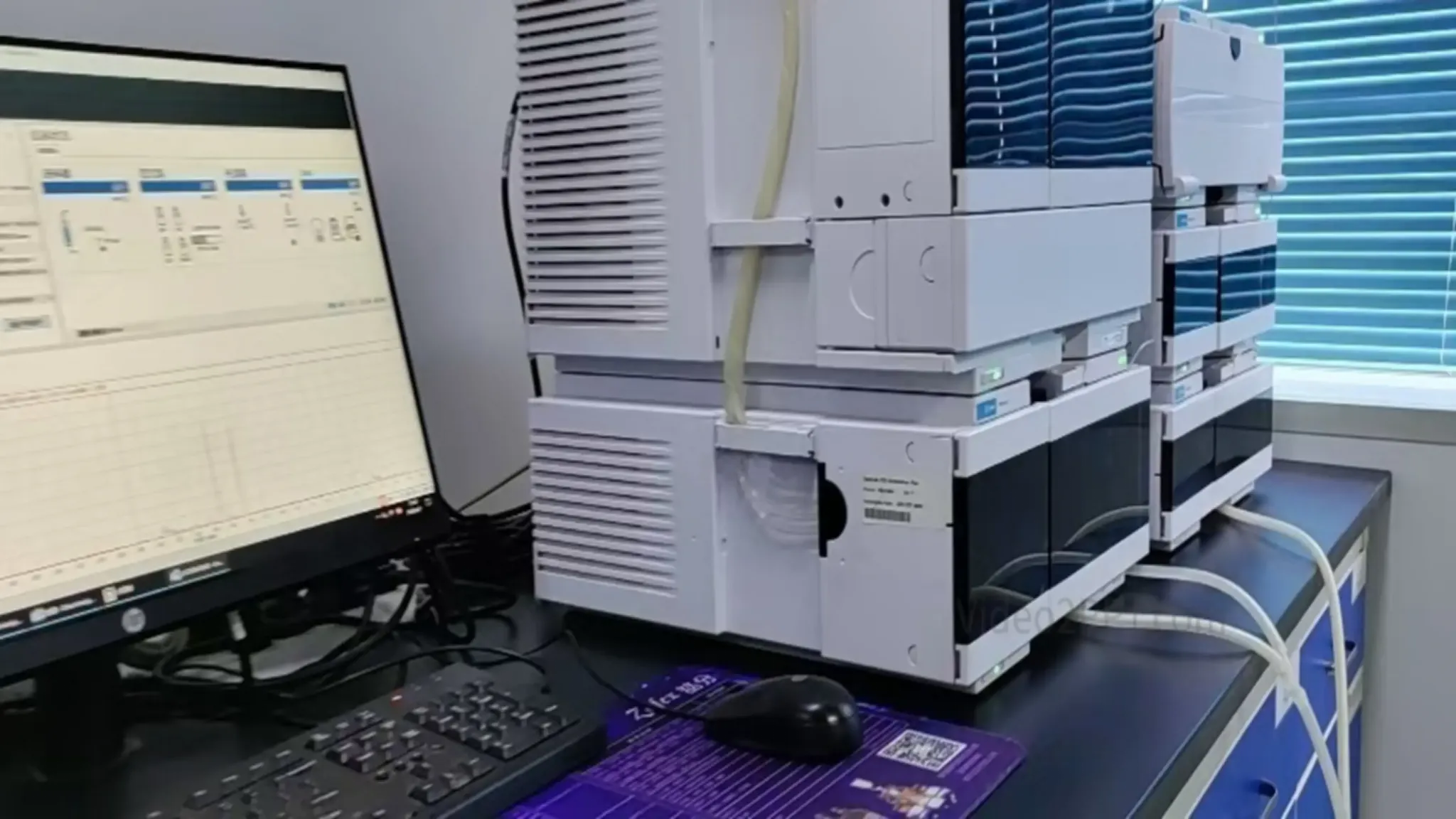
Every production batch is issued with a batch-specific Certificate of Analysis. The COA records the applicable batch information and test results, including the standard pesticide-residue and heavy-metal testing scope. Production and product-flow records are managed through the ERP system to support batch traceability through the applicable production process.
If a buyer requires additional parameters, a specific analytical method, independent third-party testing or a particular report format, these requirements should be identified before testing is arranged. Buyers who plan to test a sample in their own laboratory before a bulk order can check how much material each test needs and how to link the sample to a production batch in our guide to paid samples for lab testing.
The Pingliang production facility has its own Chinese herbs testing laboratory for batch quality-control support. The laboratory includes confirmed Shimadzu HPLC equipment and other testing instruments. Whether a specific parameter is handled in-house or requires additional external testing is confirmed according to the testing scope.
The Chinese Pharmacopoeia sets official requirements for applicable Chinese medicinal materials and decoction pieces, including identity, quality and contaminant parameters. The applicable standard, test items and acceptance criteria depend on the selected product and confirmed specification.
Every production batch undergoes pesticide-residue and heavy-metal testing. The exact analytes, methods, acceptance limits and any third-party reporting requirements are confirmed according to the product and buyer specification.
Yes. Every production batch is issued with a batch-specific COA. Additional test reports or supporting quality documents can be confirmed according to the product, testing scope and buyer requirements.
Yes. Additional parameters, specific methods, independent third-party reports or market-specific testing requirements can be reviewed before testing is arranged. The required scope should be confirmed before quotation or production.
Send us the herb, specification, destination market and any additional testing requirements. We can review the applicable standard batch testing, additional parameters and available documentation before quotation.
Tell us the herb and the specification, and the production facility’s quality-control teamreplies with the testing scope and a sample report — usually within 24 hours.