Tell Us About Your Project
Share your product, quantity and project requirements. We will review the details and respond with the relevant next steps.

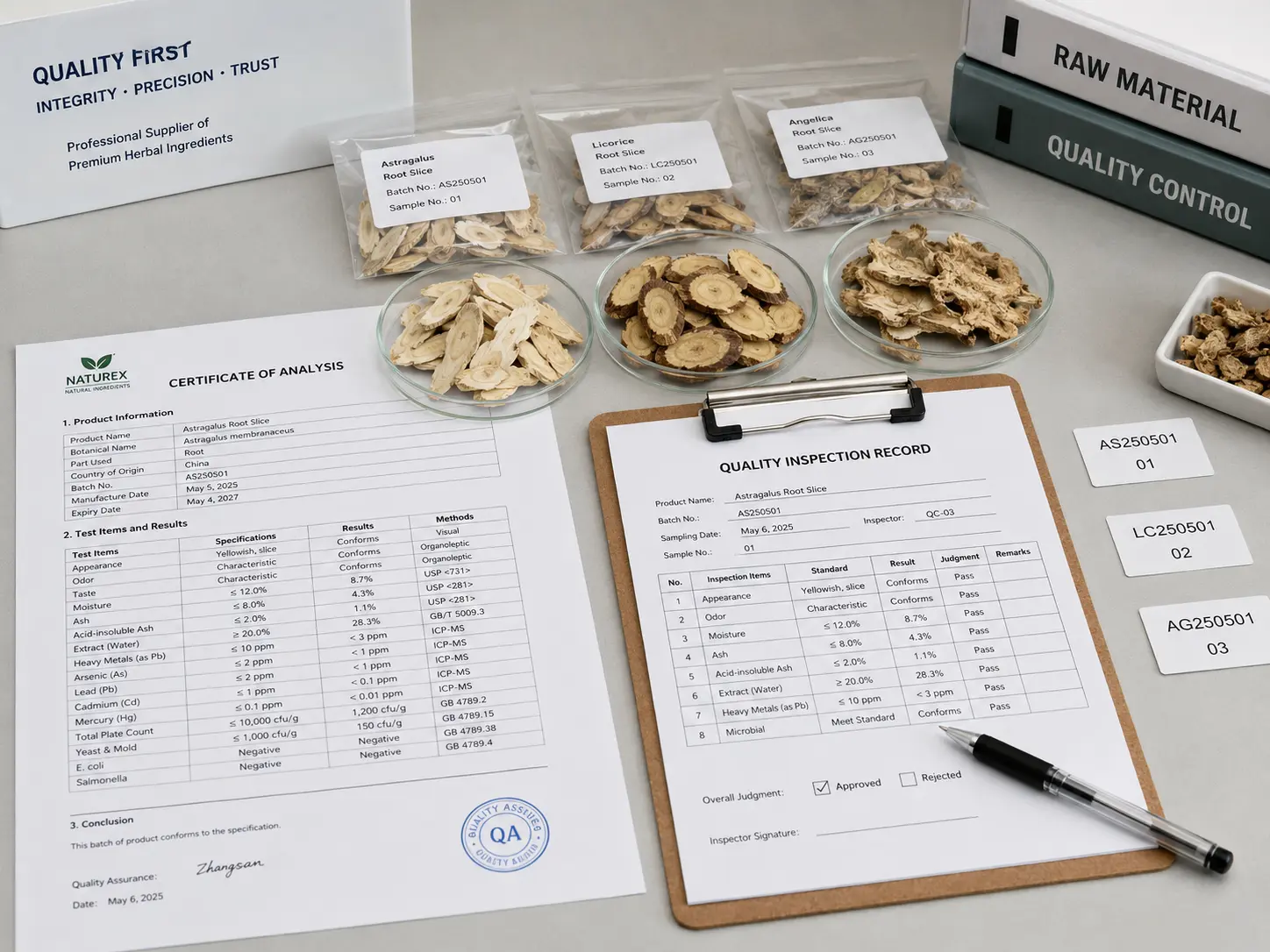
A buyer's guide to what a Certificate of Analysis for Chinese herbal slices should include — batch number, botanical identity, test items, residues, and QA approval — and how to check it before approving a bulk order.
A Certificate of Analysis Chinese herbs document should be tied to a specific batch number and test date. Buyers should check product identity, botanical name, origin, specification, test items, methods, pesticide residues, heavy metals, moisture or ash where applicable, microbiology, sulfur dioxide status, and QA approval before approving bulk purchase.
Before a bulk order ships, the COA is often the main document a purchasing or QA team reviews. If it is generic, undated, or not linked to the actual lot, it does little to support the decision.
This guide explains what a COA for Chinese herbal slices should show, how to read a COA before approving a batch, and which vague or incomplete wording should make buyers pause.
A Certificate of Analysis is a quality document that records what a specific lot of material was tested for, which methods were used, and what results were reported against the agreed specification.
For Chinese herbal slices and TCM decoction pieces, a COA connects a physical batch of material to its quality data. It should not be treated as a marketing sheet or a reusable product introduction file.
A useful COA is dated and tied to a batch or lot number. That way, it describes the material being purchased, not a different lot, an old sample, or a general product category.
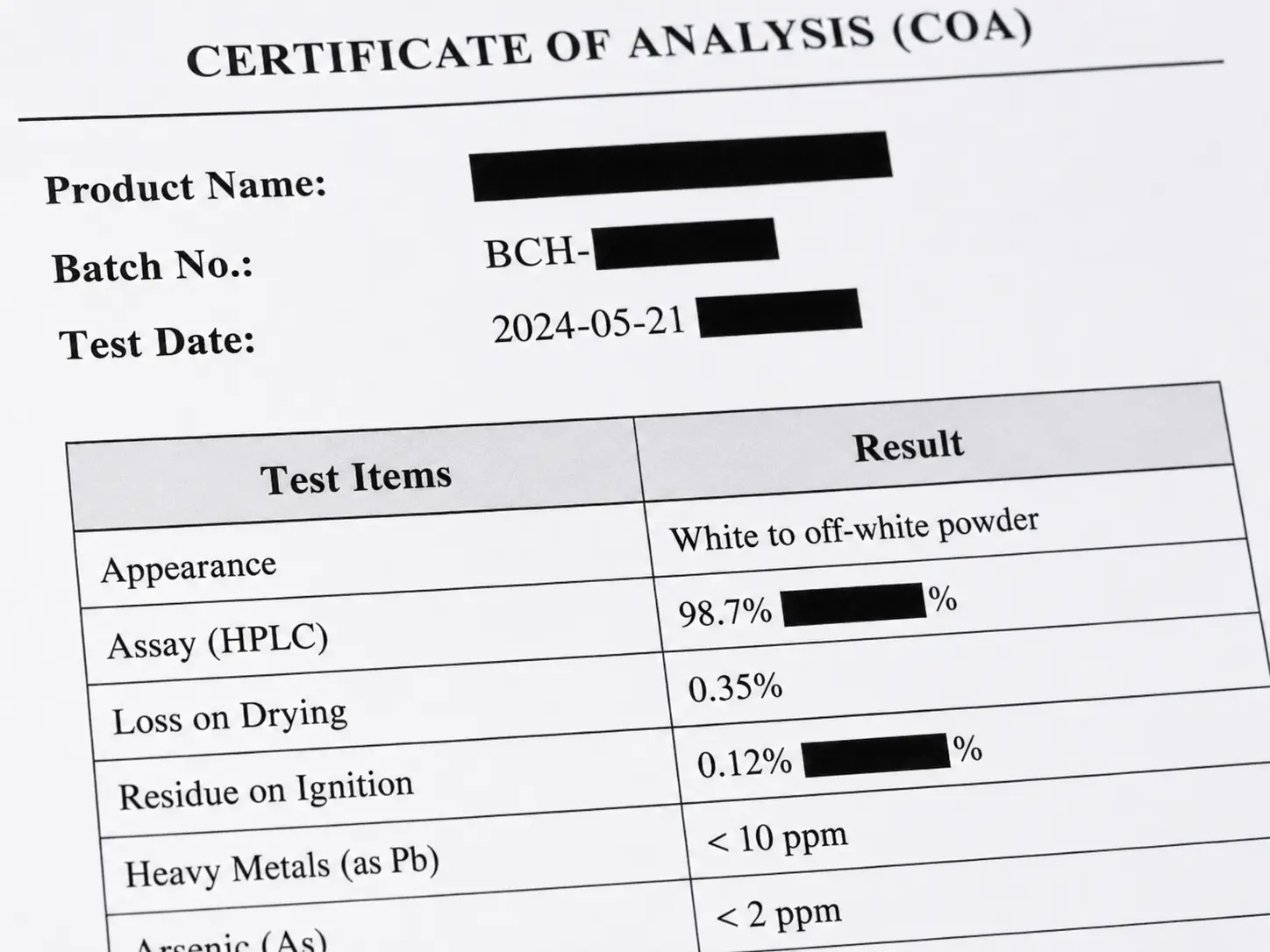
The COA helps buyers review, on paper, whether the lot matches the order, sample, and stated quality requirements.
A quick price comparison hides many quality questions. Two suppliers can quote the “same” herb, but if one COA lists identity, residues, methods, and batch information while the other only says “passed,” the buyer is not comparing the same level of evidence.
Checking the COA before bulk approval helps prevent three common problems:
One good sample is not enough. For bulk Chinese herbal slices, the buyer needs to know whether the COA belongs to the actual lot being shipped.
A Chinese herb COA should let a buyer answer one question quickly:
Which batch is this, and what was checked?
| COA Section | What Buyers Should Check | Why It Matters |
|---|---|---|
| Product name | The common product name should match the quotation, sample, label, and purchase order. | Prevents confusion between similar herbs or naming systems. |
| Botanical name | The Latin botanical name should be shown where applicable. | Helps confirm product identity and reduces substitution risk. |
| Part used | Root, rhizome, flower, leaf, fruit, seed, or other part should be clear. | Different parts may have different specifications and pricing. |
| Specification and cut form | Grade, cut size, slice form, or custom processing should match the order. | Confirms the COA relates to the exact material being purchased. |
| Batch or lot number | The COA should show a batch or lot number. | Connects the document to the actual batch. |
| Origin or sourcing area | Origin should be stated where the buyer’s review requires it. | Supports sourcing review and batch traceability. |
| Test date and report date | The COA should show when the test was performed or issued. | Helps confirm the report belongs to the current order. |
| Test items | Each tested item should be listed clearly. | Avoids vague “passed” statements with no detail. |
| Test methods | Methods or reference methods should be shown where provided. | Helps the buyer understand how results were generated. |
| Results | Results should be readable and tied to the tested items. | Supports QA review before batch approval. |
| Acceptance criteria | Criteria may be shown where applicable. | Helps buyers compare results against agreed specifications. |
| QA approval | Signature, stamp, approval status, or document control should be visible. | Shows the document was reviewed before release. |
| Shipment connection | Batch number should match labels, packing list, invoice, or pre-shipment documents. | Reduces document mismatch during receiving or QA review. |
If any of these items is missing, the COA may still provide some information, but it is harder to rely on for a bulk purchase decision.
The exact test scope depends on the herb, order, buyer requirements, and destination market review. Not every item appears on every COA, and some results may be provided in a separate herbal slices test report.
Still, buyers commonly review the following items.
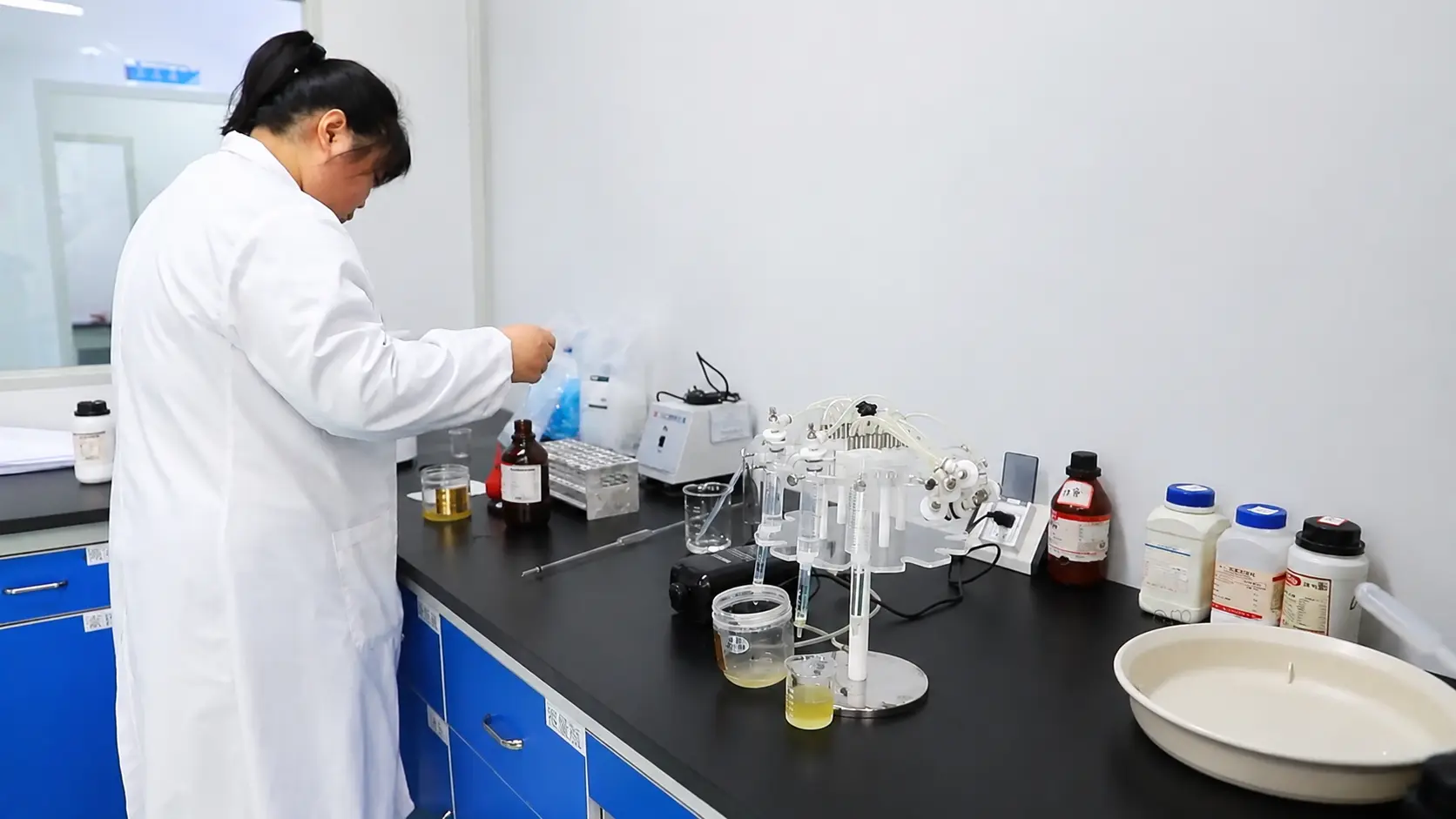
Identity review helps confirm that the material matches the ordered herb. Buyers should check whether the product name, botanical name, part used, and specification match the order.
For higher-value or easily confused materials, identity review is especially important. The COA should not rely only on a loose common name.
Moisture is often reviewed because it can affect storage condition, appearance, and buyer acceptance. Ash or related items may also appear depending on the herb and agreed test scope.
Do not assume one universal value applies to every herb. If your team has a specific moisture or ash requirement, state it before quotation.
Pesticide residue review is common for herbal raw materials because herbs are agricultural products. If this item is required, the COA or separate test report should show what was tested, the method where provided, and the reported results.
Buyers can review Aile Herb’s page on pesticide and heavy-metal testing to understand how these items fit into Chinese herb quality review.
Heavy metals are another common COA review item. Buyers may request results for elements such as lead, cadmium, arsenic, mercury, or other items depending on their internal requirements.
A broad statement such as “heavy metals passed” is weaker than a document showing clear tested items and results. For pesticide and heavy metal reports specifically, see how to read Chinese herb test reports.
Microbiology may be required depending on product type, packing form, buyer requirements, and destination market review.
If microbiology is required, state it before quotation. Do not assume it is included in every COA by default.
If buyers request sulfur-free Chinese herbal slices, the COA or related test report should support that discussion where applicable.
A vague “sulfur-free” claim is not enough when the buyer needs documentation. Ask whether sulfur dioxide residue testing can be discussed for the target herb and batch.
Some COA documents or inspection records may include appearance, color, odor, foreign matter, or other physical checks.
For herbal slices, these checks help buyers compare the bulk lot with the approved sample. They are not a replacement for laboratory testing, but they are useful for sample-to-bulk review.
Reading a COA does not need to be complicated. The buyer should read it against the actual order, not as a standalone PDF.
Start with the batch or lot number.
The number on the COA should match the product label, packing list, invoice, pre-shipment photos, or other batch-related documents. If the number is missing or inconsistent, ask the supplier to clarify before shipment.
The product name, botanical name, part used, grade, and cut form should match the purchase order.
If the order is for sliced material, the COA should not describe a different form. If the buyer requested a specific grade or cut, the COA should not be too vague to confirm it.
A COA may be acceptable for one buyer but incomplete for another.
Before approving the batch, compare the listed test items with your own requirement list:
If something is missing, ask whether it can be added, tested separately, or provided as a separate herbal test report.
A COA should not only say “passed.”
Buyers should look for test methods where provided, test dates, report dates, results, issuer details, and QA approval. A result with no method, date, or batch connection is harder to review.
A responsible supplier should be able to explain the COA.
Useful questions include:
Aile Herb explains how document review fits the wider Chinese herbs quality control process.
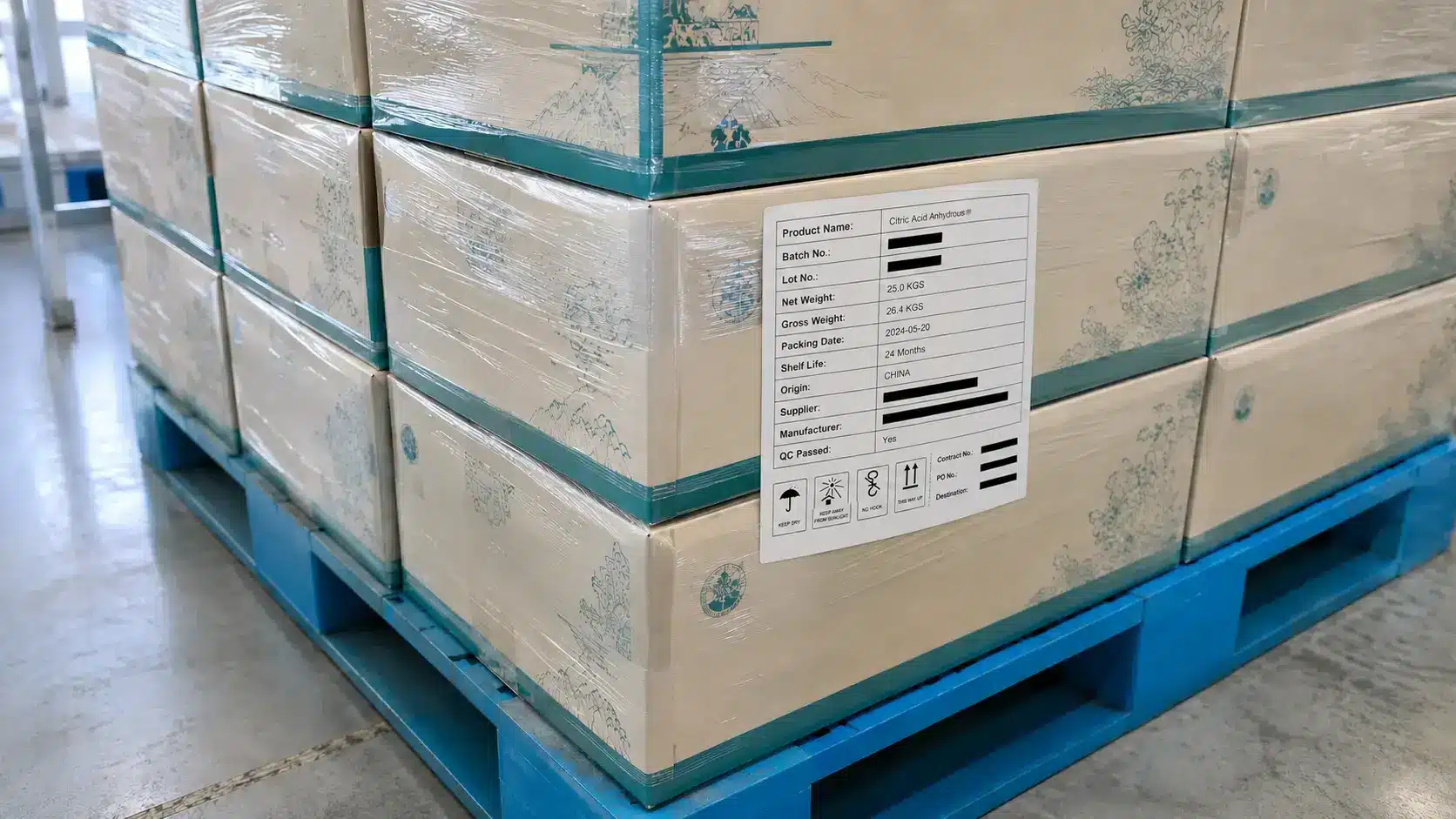
A COA does not need to be complicated, but it should be specific.
Slow down and ask for a clearer document if you see:
None of these automatically means the material is unsuitable. It means the document does not yet support the batch review clearly enough.
Buyers often receive several documents from suppliers. They are not the same.
| Document | What It Usually Shows | How Buyers Should Use It |
|---|---|---|
| COA | A summary of tested items, results, batch number, dates, and approval information for a product or lot. | Use it to review whether the batch meets the agreed quality document requirements. |
| Test report | Detailed laboratory results for specific items such as pesticide residues, heavy metals, microbiology, or sulfur dioxide residue. | Use it to review deeper test data behind the COA or for specific QA requirements. |
| Spec sheet | Product specification, grade, cut form, packing, origin preference, or agreed commercial quality requirements. | Use it to define what should be supplied before the batch is produced or shipped. |
| Batch traceability record | Information linking raw material, processing, batch number, storage, and shipment. | Use it to check whether the product, COA, and shipment can be connected. |
| Pre-shipment inspection record | Photos, inspection notes, packing checks, or buyer/third-party review before dispatch. | Use it as the last document check before goods leave the supplier. |
A COA supports quality review, but it does not replace all other documents. For bulk Chinese herbal slices, buyers should compare the COA with the specification, sample approval, label, packing list, and shipment documents.
If the COA is incomplete or unclear, buyers can ask for more information before approving the batch.
Reasonable requests may include:
A sample COA helps buyers understand the supplier’s document format. The final batch COA matters more because it should relate to the lot being shipped.
State document requirements before quotation. That avoids confusion later over what is included in the price, sample approval, testing scope, or shipment review. Buyers evaluating a new source can also review our Chinese herb supplier qualification guide before approving the first commercial order.
Buyers working with Aile Herb can request a sample COA, batch-related quality documents, and QA support for review before bulk purchase.
Batch-level documents such as a COA can be prepared when applicable. Test reports can be discussed according to the target herb, specification, buyer’s market, and order requirements.
For buyers who want to understand the checks behind the documents, Aile Herb introduces its in-house Chinese herbs testing laboratory and quality workflow on dedicated pages. The purpose of this article, however, is to help buyers verify a COA on their side — not to ask anyone to take testing on trust.
For orders involving residue review, buyers can also review Aile Herb’s information on pesticide and heavy-metal testing.
A COA should support review. It should not be treated as a blanket guarantee for every market, every product, or every requirement.
A COA for Chinese herbal slices is a batch-related quality document showing what a lot was tested for, the methods used, the results reported, and the approval status. It should include a batch number and test date so buyers can connect the document to the actual material being purchased.
A Certificate of Analysis for Chinese herbs should show product name, botanical identity, batch number, specification, cut form, test date, test items, methods, results, and QA approval. Depending on the herb and buyer requirements, it may also include pesticide residues, heavy metals, moisture, ash, microbiology, and sulfur dioxide residue.
Buyers can check whether the COA shows a batch or lot number that matches the product label, packing list, invoice, and shipment documents. A batch-specific COA should connect the test information to the actual lot being shipped, not only to a general product sample.
A COA summarizes key quality results for a product or batch, while a herbal test report may provide more detailed data for specific test items. In some orders, the COA and test report are separate documents, so buyers should ask which documents are available for the actual batch.
Sulfur dioxide residue should be discussed if the buyer requires sulfur-free Chinese herbal slices or needs sulfur dioxide review for the order. It may appear on the COA or in a separate test report. Buyers should not rely only on vague sulfur-free wording when documentation is required.
Yes. Buyers can request a sample COA before ordering to review the supplier’s document format, typical test items, batch information, and approval structure. A sample COA does not replace the final batch COA, but it helps purchasing and QA teams understand what documents can be prepared.
Before approving bulk Chinese herbal slices, send Aile Herb your target herb, botanical name if available, cut form, grade, quantity, destination market, and required test items.
Our team can help review your document needs and discuss sample COA, batch COA, or related test reports where applicable.
To see which batch documents and test items we can provide for your herb and market, review our quality documents and testing page and request a sample COA for your target specification.
For a worked example of what identification, marker assays and aflatoxin limits should appear on a COA for one herb, see the sour jujube seed bulk buying guide.
