Tell Us About Your Project
Share your product, quantity and project requirements. We will review the details and respond with the relevant next steps.

Testing and documentation requirements depend on your product, formula, production batch and market needs.
Raw material checks, finished product testing, batch documents and laboratory qualifications are reviewed separately so the testing scope is clear before production.
Incoming herbal materials are screened before blending, including a 47-substance prohibited-pesticide panel. The applicable raw-material COA is also reviewed before the materials enter production. These checks apply to the incoming ingredients. They are separate from testing of the finished private-label tea.
Finished-product testing is confirmed separately for each production project. The testing items, methods and reporting requirements are agreed before testing. The final report applies to the finished batch and the items actually tested. Keeping raw-material and finished-product testing separate helps buyers, importers and QA teams understand exactly what each document covers.
Finished-product testing is quoted and confirmed based on the agreed project scope. It is not automatically included as one standard test package for every order.
Current available testing options include:
| Test Category | Current Available Scope |
|---|---|
| Pesticide Residues | 510-substance panel |
| Heavy Metals | 5 parameters |
| Microbiology | 4 parameters |
The final test items and methods are confirmed before production. The required scope may vary by formula, buyer specification, destination-market requirements and QA requirements.
If a test item is not included in the agreed scope, it must be added and confirmed before production where testing is available.
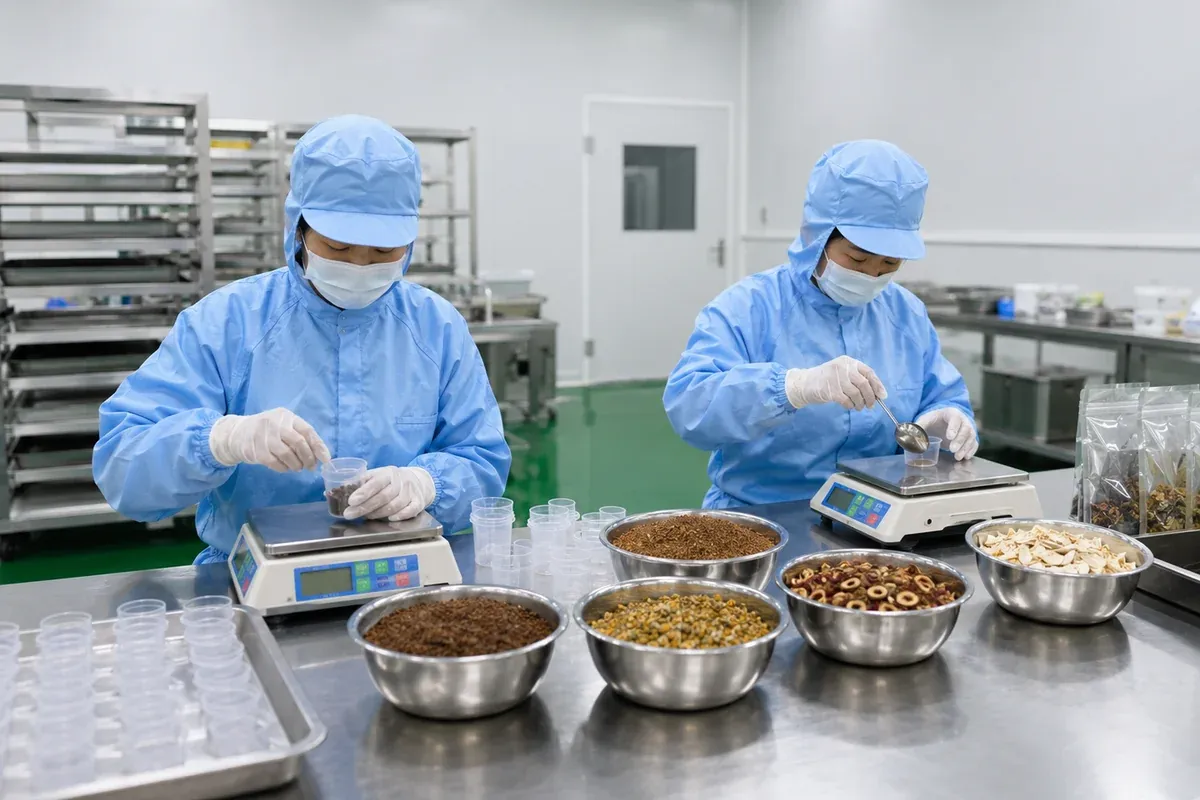
Different formulas are handled as separate production batches. Products from different customers are not combined into one batch. Testing and batch documents are therefore managed by formula, not by shipment. If three formulas ship together, they still remain three separate production and testing batches.
This should be considered when planning a multi-SKU order because testing and documentation requirements apply to each formula.
COA issued for the agreed testing scope.
A retained sample is kept for each batch.
Traceability to the relevant raw-material batch.
These requirements still apply to smaller production runs. Additional third-party testing depends on the testing scope confirmed for the project.
COA fields can be reviewed against the buyer’s agreed documentation requirements before production is completed. The COA should match the actual production batch and the parameters covered by the confirmed testing plan.
Buyers, importers or regulatory advisors remain responsible for identifying destination-market requirements that need to be included in the project specification. Facility licenses and management-system certificates are separate from batch-specific COA and testing records; see our Licenses & Certifications page for facility-level documentation.
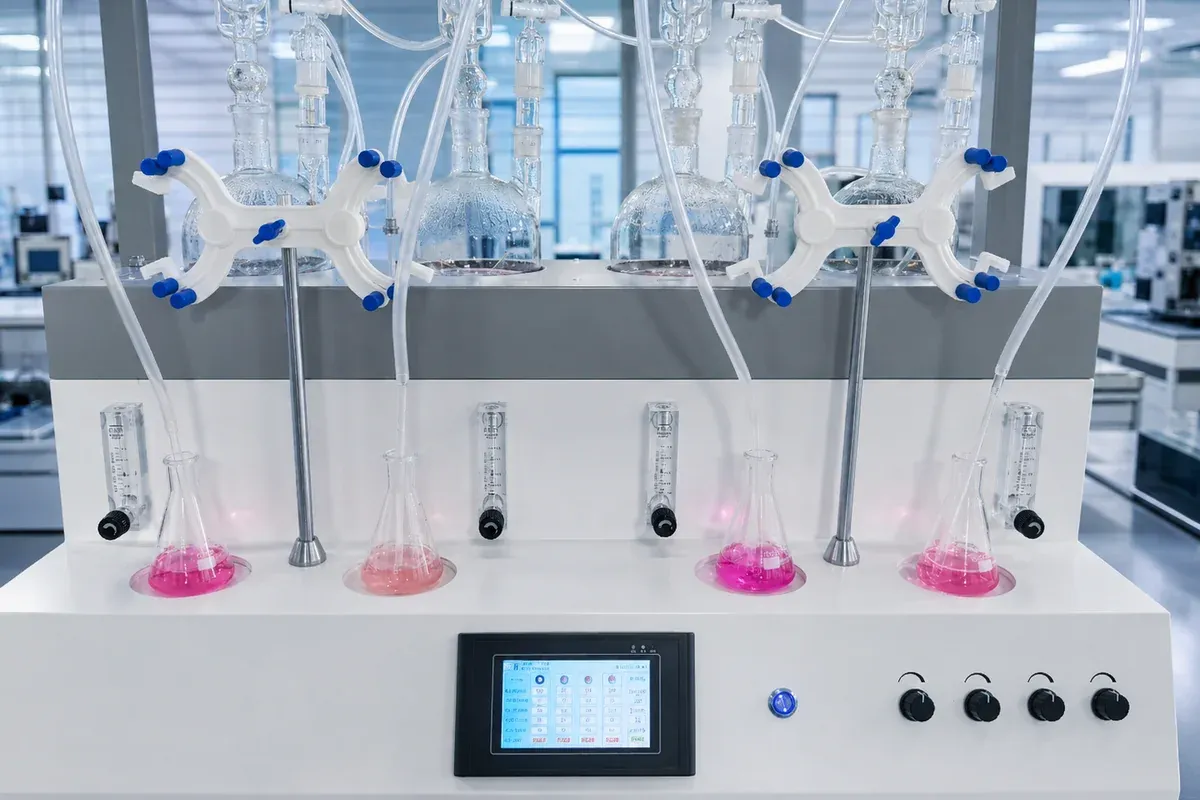
Laboratory accreditation is scope-specific. We check three points when accredited reporting is required.
The laboratory must hold a current accreditation that applies to the required testing.
The required test parameter and method must be listed in the laboratory’s current accredited scope.
A laboratory may be accredited for some tests but not for every service it offers.
A test result is accredited only when both the parameter and the test method are covered by the laboratory’s accredited scope.
One report may include both accredited and non-accredited results.
When accredited reporting is required, we check the laboratory, parameter and method against the current published scope before testing is confirmed. If an item is outside that scope, we identify it and review available options.
The applicable scope can also be checked in the relevant official accreditation database using the laboratory details provided for the project.
A standard pesticide panel only covers the substances included in that panel. Buyer specifications or destination-market requirements may require additional testing.
Pyrrolizidine alkaloid (PA) testing is not included in the current standard pesticide panel.
If PA testing or another parameter is required, it should be added to the agreed testing scope before production.
The same rule applies to other additional parameters: confirm the required specification first, then check whether the parameter is already included or requires separate testing.
Aile Herb does not replace the buyer’s regulatory assessment of the destination market.
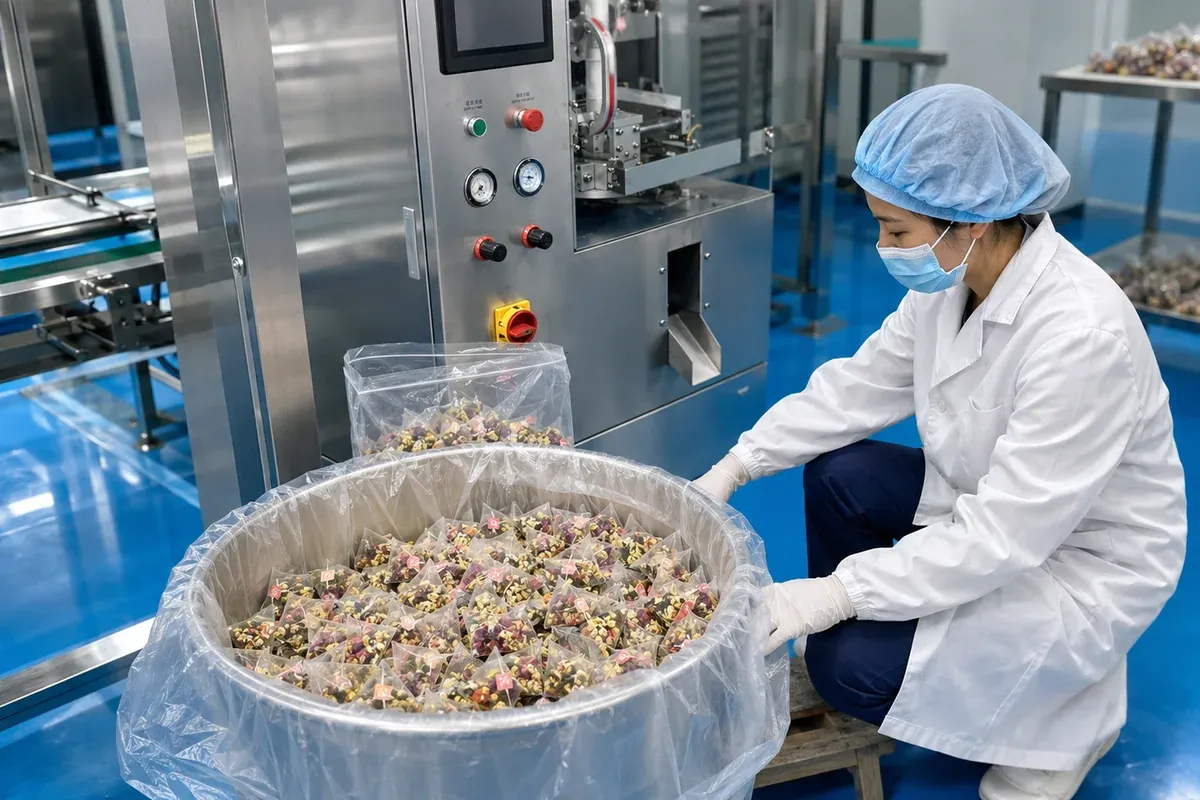
Shelf life depends on the confirmed product and packaging configuration.
| Product Line | Current Confirmed Shelf Life |
|---|---|
| Herbal Tea Bags | 36 months |
| Tea-in-Cup | 24 months |
| Postbiotic Drinks | 24 months |
These figures apply to the confirmed configurations for each product line. A materially different packaging configuration should be reviewed separately before the applicable shelf life is confirmed.
Illustrative COA templates can be provided to show the expected document structure before production.
Examples are clearly marked as illustrative and do not contain real batch results or third-party laboratory identifiers.
Actual third-party reports remain subject to the issuing laboratory’s conditions of use and are not republished as website marketing materials.
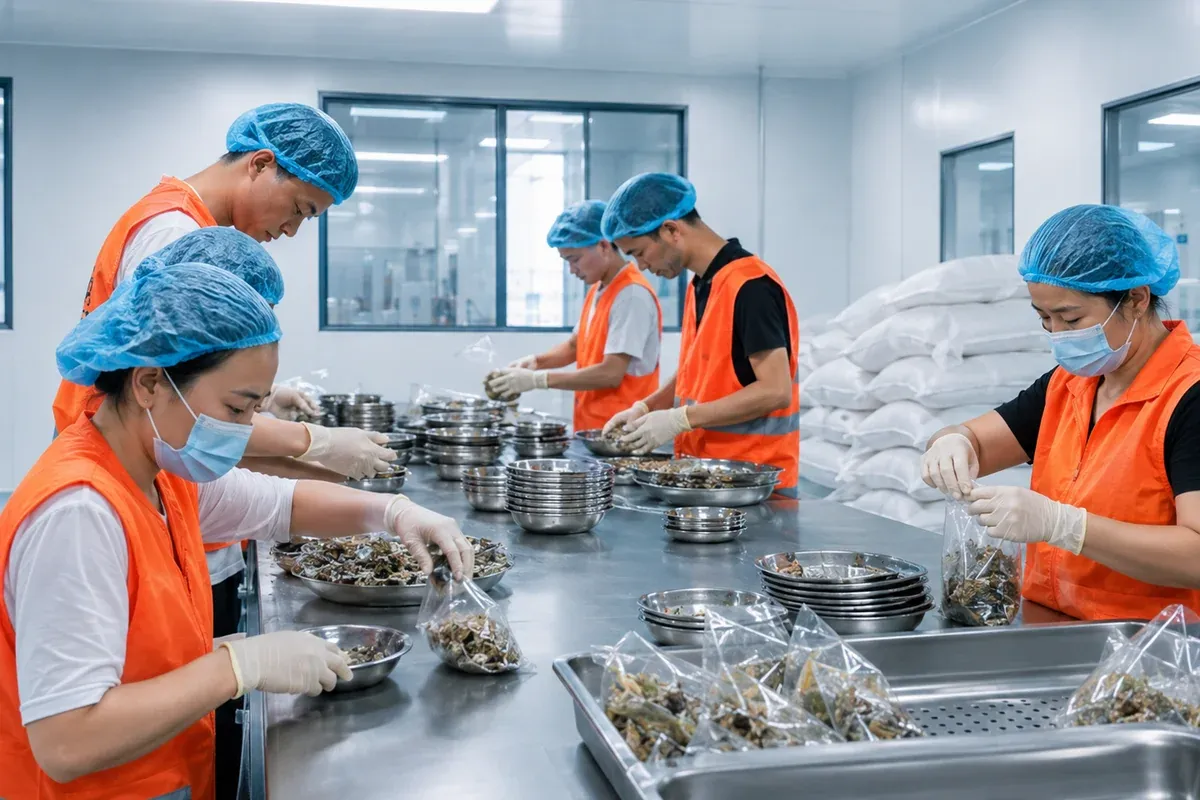
Please provide the following information so we can review the testing and documentation scope for your project.
Buyer or customer testing specification
Destination market
Product / formula
Required test parameters
Accredited reporting requirements
Required COA / document fields
Share your testing and documentation requirements. We’ll review the requested scope and identify any items that need separate confirmation before production.