Tell Us About Your Project
Share your product, quantity and project requirements. We will review the details and respond with the relevant next steps.


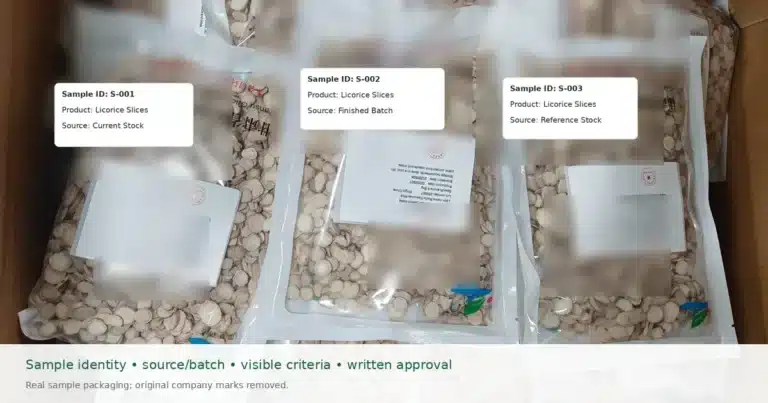
Botanical ingredient sample approval gives buyers and suppliers a shared reference for product form, cut, size and visible condition before a bulk order. It does not prove that the later shipment will be identical. The practical step is to convert…
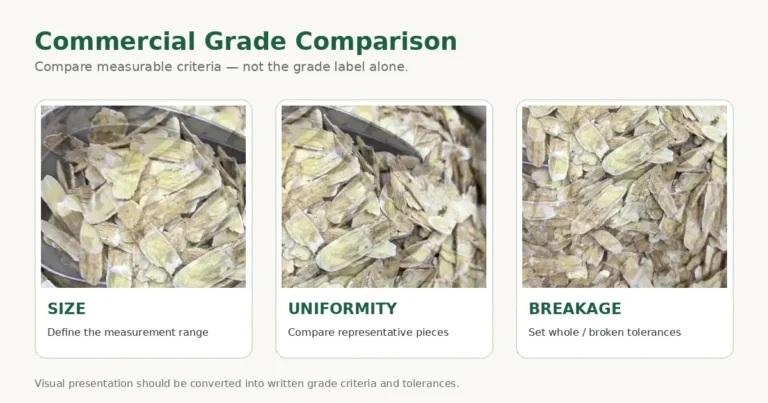
Grade I, Grade II and Premium are commercial grading labels. They do not have one universal meaning across suppliers. Two suppliers may use different sorting criteria for the same grade name. Compare the written grade definition and approved sample before…
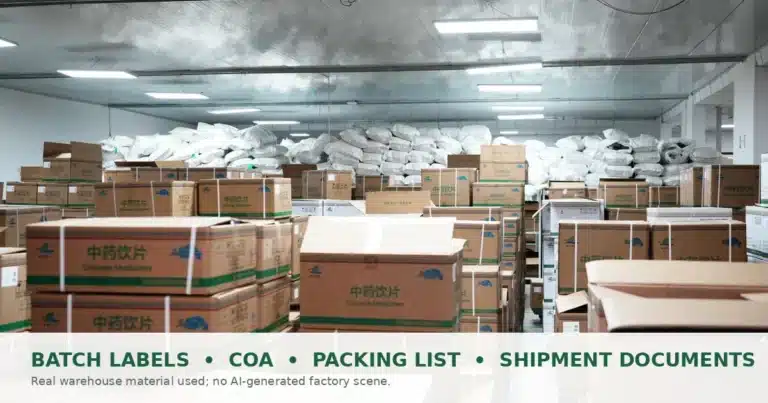
Herbal ingredient batch traceability means the physical goods a buyer receives can be linked to the released finished batch, and that batch can be linked to its COA, packing labels and shipment documents. Batch numbers may change during processing or…
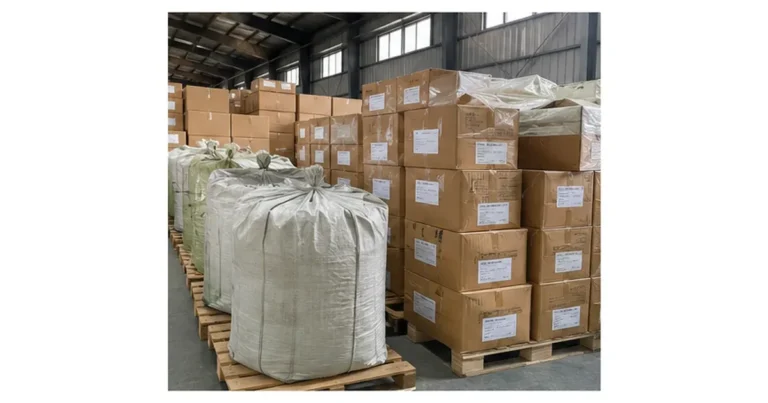
Chinese herbal ingredients storage requirements should be defined before shipment. Buyers should confirm the storage condition, packaging and inner liner, shelf-life reference date, minimum remaining shelf life, batch traceability, shipping evidence and incoming inspection procedure. Terms such as “store in…
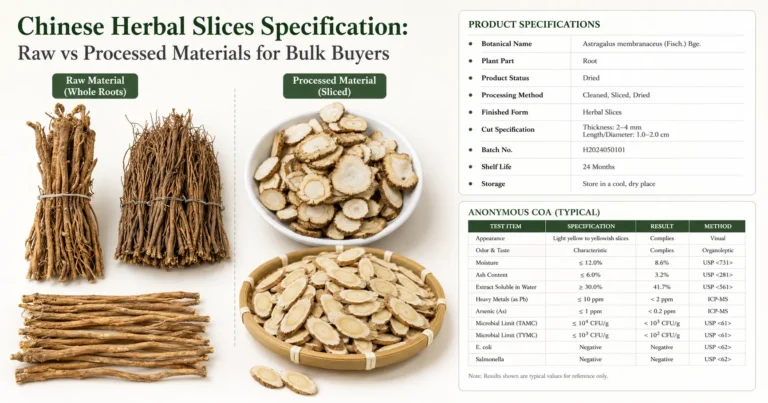
A Chinese herbal slices specification should define more than the herb name. Buyers should confirm the botanical source, plant part, processing status, finished form, cut dimensions and packaging. The specification should also state the required finished-batch COA and traceability information.…
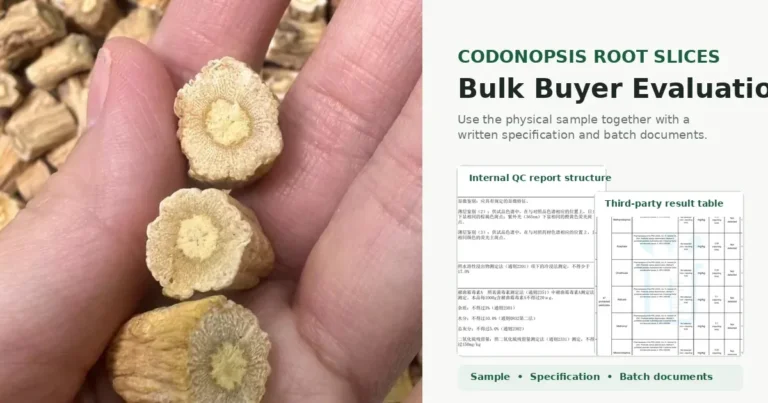
This Codonopsis root buyer guide is written for importers, distributors and manufacturers who need to evaluate Codonopsis (Dang Shen) root slices before placing a bulk order. Buyers should verify the accepted botanical source, plant part, origin, slice dimensions, grade definition,…

How to read Chinese herb test reports starts with identity: confirm that the product name, botanical name, plant part, product form and batch or lot number match the goods. Then review the laboratory, test method, analyte list, results, units, LOD,…
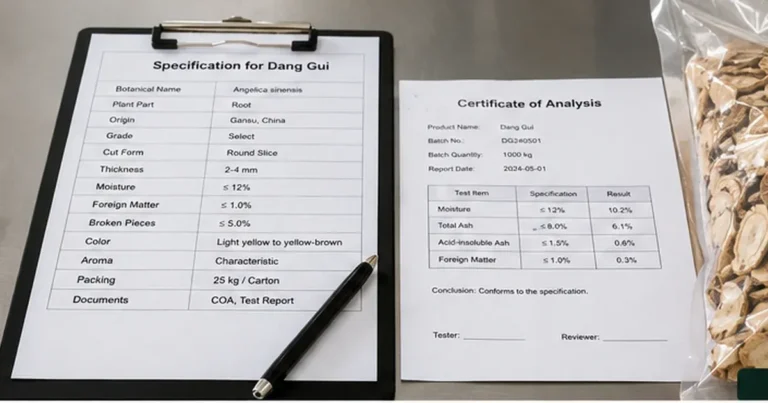
A Chinese herb sample should be approved against a written specification, not appearance alone. Before shipment, buyers should compare the commercial batch with the retained sample for identity, grade, cut size, color, aroma, moisture, foreign matter, packing and batch documents,…
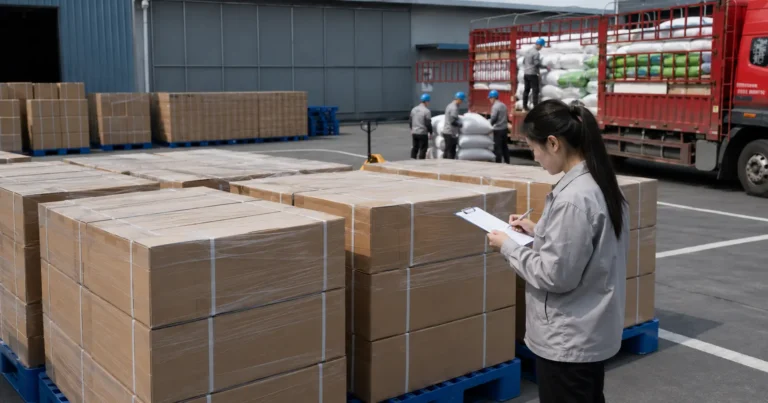
When comparing a Chinese herb manufacturer vs trading company, B2B buyers should look beyond the supplier’s label. The decision should be based on who controls production, how samples are matched to bulk batches, which tests and records are available, how…
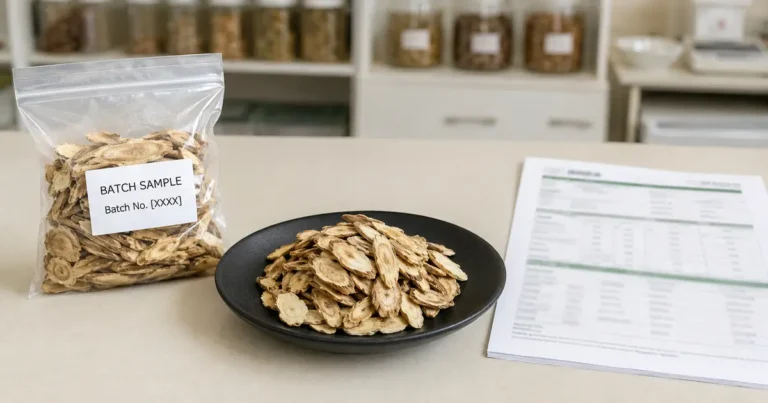
A supplier may describe herbs as “sulfur-free,” but the phrase alone does not tell you whether sulfur fumigation was deliberately avoided, whether the batch you are about to buy was tested, or how the laboratory reported the result. Three very…
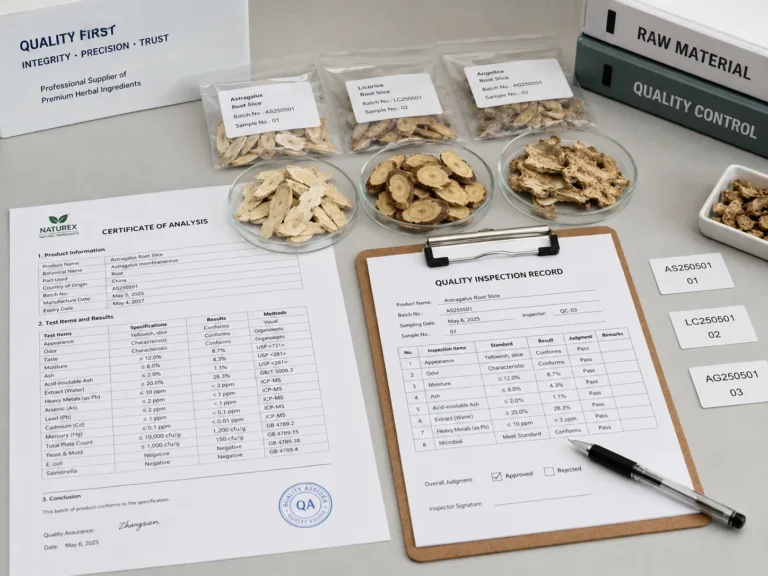
A buyer's guide to what a Certificate of Analysis for Chinese herbal slices should include — batch number, botanical identity, test items, residues, and QA approval — and how to check it before approving a bulk order.
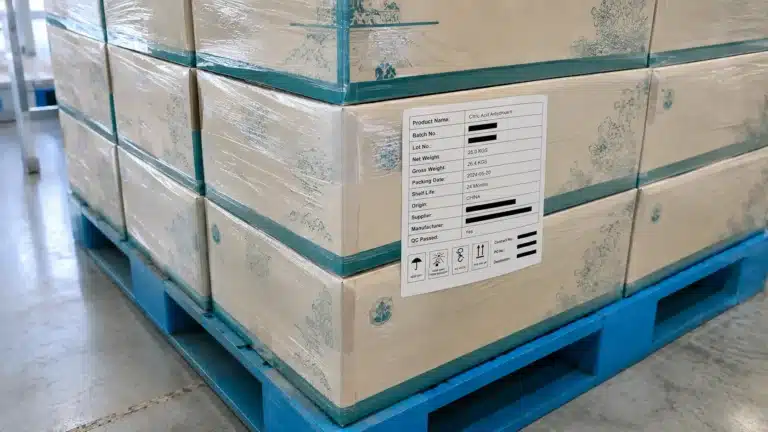
A step-by-step checklist for importers sourcing bulk Chinese herbs — how to verify origin, grade, sample approval, batch COA, testing, and traceability before you place an order, not just compare unit price.